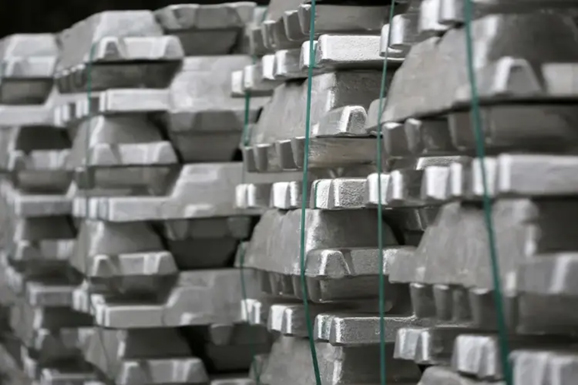
According to the Aluminum Club, although in recent years the aluminum market on the London Metal Exchange (LME) has occasionally faced short-term pressures and tensions between traders and banks over inventory control, the situation is now moving toward a different kind of crisis.
Based on CitiBank’s analysis, the aluminum market is “unintentionally heading toward the largest deficit in the past 20 years.” The bank also predicts that aluminum prices need to rise from the current level of around $2,700 per metric ton to above $3,000 and remain in that range to prevent a global shortage of this vital metal.
Reasons for the Market Shift
A market that was known for years for excess production is now approaching a deficit. The main reason for this change is that China has reached its production capacity limit.
- China’s primary aluminum production increased from 4 million tons in 2002 to 43 million tons in 2024, accounting for 60% of global output.
- During the same period, China also became the world’s largest aluminum consumer and exported most of its surplus in the form of semi-finished products.
- Last year alone, China set a new record by exporting 6.7 million tons of aluminum.
However, this trend is on the verge of stopping. The Chinese government has set the annual production cap at 45 million tons, and according to data from AZ Global, production in August equaled an annualized 44.5 million tons.
Although a slight increase in capacity is possible through higher electricity intensity in smelting plants, given Beijing’s strict policies, it appears that the era of endless growth in China’s aluminum production is approaching its end.